
-
Products
 CONACT USAdd:188 Xinmin Avenue, Tongan District, Xiamen City, Fujian Province, China Tel: +86-133 2830 2499 Email:clare@xmyite.net
 -
CONACT USAdd:188 Xinmin Avenue, Tongan District, Xiamen City, Fujian Province, China Tel: +86-133 2830 2499 Email:clare@xmyite.net


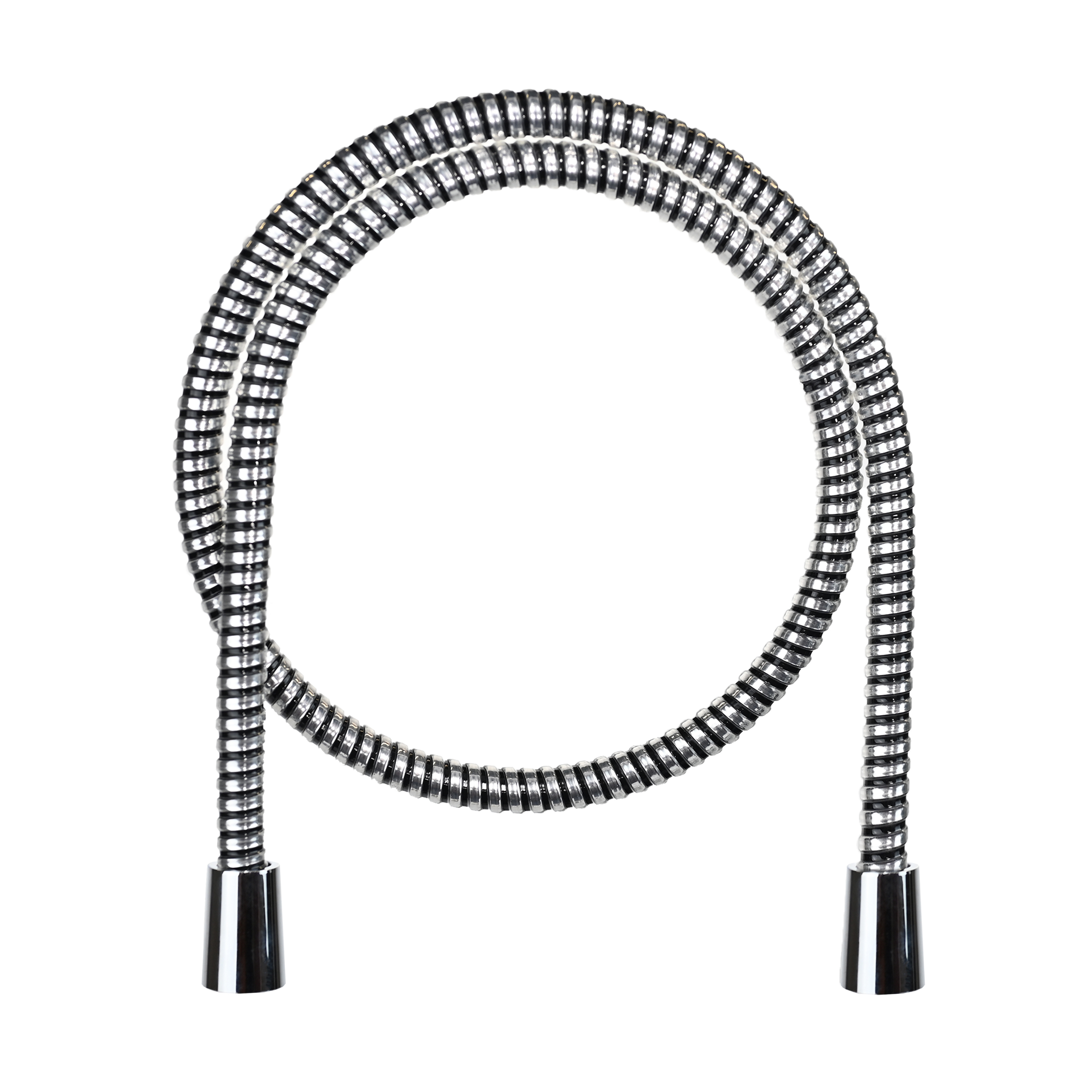
How to Choose the Right Finished Hose for Your Needs: A Comprehensive Guide for Buyers
Release time:
Jan 24,2024
Summary:Table of Contents:
1. Introduction
2. Understanding Finished Hoses and Their Importance
3. Factors to Consider when Choosing a Finished Hose
- Material and Durability
- Size and Length
- Pressure and Temperature Ratings
- Compatibility and Fittings
- Flexibility and Bend Radius
- Application and Intended Use
- Cost and Budget
- Brand Reputation and Warranty
4. Types of Fini
Table of Contents:
1.
2.
3.
-
-
-
-
-
-
-
-
4.
-
-
-
-
-
5.
-
-
-
-
-
6.
Welcome to our comprehensive guide on how to choose the right finished hose for your needs. In the construction and decoration materials industry, finding the perfect hose plays a crucial role in ensuring the smooth operation of various applications. This guide aims to provide you with the necessary information to make an informed decision and select a finished hose that meets your specific requirements.
Finished hoses are essential components in the construction and decoration industry as they facilitate the transportation of various fluids, including water, chemicals, gases, and more. They are designed to withstand different pressure levels, temperatures, and environmental conditions, ensuring safe and efficient fluid transfer.
Choosing the right finished hose is crucial to avoid potential leakages, system failures, and performance issues. A well-selected hose not only ensures the success of your projects but also contributes to the overall safety and reliability of your operations.
Selecting the appropriate hose material is vital, as it determines the hose's durability, resistance to chemicals, and compatibility with specific applications. Common materials include rubber, PVC, stainless steel, and composite. Evaluate the advantages and limitations of each material to make an informed decision.
Consider the internal diameter (ID) and the overall length of the hose to ensure optimal fluid flow and reach. Measure the distance between the connection points and determine the required hose length accordingly.
Check the maximum working pressure and temperature ratings of the hose to ensure it can handle the specific conditions of your application. Exceeding these limits can lead to hose failure and potential accidents.
Ensure that the hose is compatible with the fluids, chemicals, or gases it will transport. Additionally, consider the fittings and connections required for your project and ensure they are compatible with the chosen hose.
Evaluate the hose's flexibility and bend radius to ensure it can be easily maneuvered in your application. A hose with a smaller bend radius offers greater flexibility, making it suitable for tight spaces.
Consider the specific application and industry standards when selecting a finished hose. Different industries may have unique requirements, such as food-grade hoses for the food and beverage industry or chemical-resistant hoses for chemical processing plants.
Evaluate the overall cost of the hose, taking into account factors like initial purchase price, maintenance, and potential replacements. Consider your budget and balance it with the quality and durability of the hose.
Choose hoses from reputable manufacturers known for their quality and reliability. Look for warranties that provide assurance and protection in case of any defects or failures.
Rubber hoses are versatile and commonly used for various applications. They offer excellent flexibility, durability, and resistance to abrasion, making them suitable for a wide range of industries.
PVC hoses are lightweight, flexible, and cost-effective. They are often used for low-pressure applications, such as water delivery, irrigation, and drainage systems.
Stainless steel hoses are highly durable, corrosion-resistant, and capable of withstanding high temperatures and pressures. They are commonly used in industries such as petrochemical, pharmaceutical, and food processing.
Composite hoses consist of multiple layers of different materials, providing excellent chemical resistance and flexibility. They are suitable for applications involving aggressive chemicals, petroleum products, and specialized fluids.
Certain industries may require specialty hoses, such as fire hoses, vacuum hoses, or high-pressure hydraulic hoses. Consider the specific requirements of your application and consult industry experts if needed.
The maximum working pressure varies depending on the type and size of the hose. It is crucial to consult the manufacturer's specifications to ensure the chosen hose can handle the required pressure.
Rubber hoses have temperature limitations, and using them in high-temperature applications beyond their ratings can result in degradation and failure. Consider alternative materials like stainless steel or composite hoses for such applications.
Measure the distance between the connection points and consider any additional length required for flexibility and maneuverability. It is advisable to add a small margin to accommodate unforeseen requirements.
Stainless steel hoses typically have threaded ends compatible with various fittings. Ensure the fittings you choose match the hose connections and meet the required standards.
Proper handling, installation, and maintenance are crucial for the safe use of finished hoses. Follow the manufacturer's guidelines, inspect the hoses regularly for signs of wear or damage, and replace them if necessary.
Choosing the right finished hose for your construction and decoration needs is a critical decision that impacts the success and safety of your projects. By considering factors such as material, size, pressure ratings, compatibility, and application requirements, you can make an informed choice that ensures optimal performance and reliability. Remember to refer to reputable manufacturers, consult industry experts if needed, and prioritize quality and durability in your decision-making process. With this comprehensive guide, you are well-equipped to select the perfect finished hose for your specific needs.
1.
Introduction
2.
Understanding Finished Hoses and Their Importance
3.
Factors to Consider when Choosing a Finished Hose
-
Material and Durability
-
Size and Length
-
Pressure and Temperature Ratings
-
Compatibility and Fittings
-
Flexibility and Bend Radius
-
Application and Intended Use
-
Cost and Budget
-
Brand Reputation and Warranty
4.
Types of Finished Hoses Available
-
Rubber Hoses
-
PVC Hoses
-
Stainless Steel Hoses
-
Composite Hoses
-
Other Specialty Hoses
5.
Frequently Asked Questions (FAQs)
-
What is the maximum working pressure for a finished hose?
-
Can I use a rubber hose for high-temperature applications?
-
How do I measure the correct hose length for my project?
-
What fittings are compatible with stainless steel hoses?
-
Are there any specific safety precautions when using finished hoses?
6.
Conclusion
Introduction
Welcome to our comprehensive guide on how to choose the right finished hose for your needs. In the construction and decoration materials industry, finding the perfect hose plays a crucial role in ensuring the smooth operation of various applications. This guide aims to provide you with the necessary information to make an informed decision and select a finished hose that meets your specific requirements.
Understanding Finished Hoses and Their Importance
Finished hoses are essential components in the construction and decoration industry as they facilitate the transportation of various fluids, including water, chemicals, gases, and more. They are designed to withstand different pressure levels, temperatures, and environmental conditions, ensuring safe and efficient fluid transfer.
Choosing the right finished hose is crucial to avoid potential leakages, system failures, and performance issues. A well-selected hose not only ensures the success of your projects but also contributes to the overall safety and reliability of your operations.
Factors to Consider when Choosing a Finished Hose
Material and Durability
Selecting the appropriate hose material is vital, as it determines the hose's durability, resistance to chemicals, and compatibility with specific applications. Common materials include rubber, PVC, stainless steel, and composite. Evaluate the advantages and limitations of each material to make an informed decision.
Size and Length
Consider the internal diameter (ID) and the overall length of the hose to ensure optimal fluid flow and reach. Measure the distance between the connection points and determine the required hose length accordingly.
Pressure and Temperature Ratings
Check the maximum working pressure and temperature ratings of the hose to ensure it can handle the specific conditions of your application. Exceeding these limits can lead to hose failure and potential accidents.
Compatibility and Fittings
Ensure that the hose is compatible with the fluids, chemicals, or gases it will transport. Additionally, consider the fittings and connections required for your project and ensure they are compatible with the chosen hose.
Flexibility and Bend Radius
Evaluate the hose's flexibility and bend radius to ensure it can be easily maneuvered in your application. A hose with a smaller bend radius offers greater flexibility, making it suitable for tight spaces.
Application and Intended Use
Consider the specific application and industry standards when selecting a finished hose. Different industries may have unique requirements, such as food-grade hoses for the food and beverage industry or chemical-resistant hoses for chemical processing plants.
Cost and Budget
Evaluate the overall cost of the hose, taking into account factors like initial purchase price, maintenance, and potential replacements. Consider your budget and balance it with the quality and durability of the hose.
Brand Reputation and Warranty
Choose hoses from reputable manufacturers known for their quality and reliability. Look for warranties that provide assurance and protection in case of any defects or failures.
Types of Finished Hoses Available
Rubber Hoses
Rubber hoses are versatile and commonly used for various applications. They offer excellent flexibility, durability, and resistance to abrasion, making them suitable for a wide range of industries.
PVC Hoses
PVC hoses are lightweight, flexible, and cost-effective. They are often used for low-pressure applications, such as water delivery, irrigation, and drainage systems.
Stainless Steel Hoses
Stainless steel hoses are highly durable, corrosion-resistant, and capable of withstanding high temperatures and pressures. They are commonly used in industries such as petrochemical, pharmaceutical, and food processing.
Composite Hoses
Composite hoses consist of multiple layers of different materials, providing excellent chemical resistance and flexibility. They are suitable for applications involving aggressive chemicals, petroleum products, and specialized fluids.
Other Specialty Hoses
Certain industries may require specialty hoses, such as fire hoses, vacuum hoses, or high-pressure hydraulic hoses. Consider the specific requirements of your application and consult industry experts if needed.
Frequently Asked Questions (FAQs)
What is the maximum working pressure for a finished hose?
The maximum working pressure varies depending on the type and size of the hose. It is crucial to consult the manufacturer's specifications to ensure the chosen hose can handle the required pressure.
Can I use a rubber hose for high-temperature applications?
Rubber hoses have temperature limitations, and using them in high-temperature applications beyond their ratings can result in degradation and failure. Consider alternative materials like stainless steel or composite hoses for such applications.
How do I measure the correct hose length for my project?
Measure the distance between the connection points and consider any additional length required for flexibility and maneuverability. It is advisable to add a small margin to accommodate unforeseen requirements.
What fittings are compatible with stainless steel hoses?
Stainless steel hoses typically have threaded ends compatible with various fittings. Ensure the fittings you choose match the hose connections and meet the required standards.
Are there any specific safety precautions when using finished hoses?
Proper handling, installation, and maintenance are crucial for the safe use of finished hoses. Follow the manufacturer's guidelines, inspect the hoses regularly for signs of wear or damage, and replace them if necessary.
Conclusion
Choosing the right finished hose for your construction and decoration needs is a critical decision that impacts the success and safety of your projects. By considering factors such as material, size, pressure ratings, compatibility, and application requirements, you can make an informed choice that ensures optimal performance and reliability. Remember to refer to reputable manufacturers, consult industry experts if needed, and prioritize quality and durability in your decision-making process. With this comprehensive guide, you are well-equipped to select the perfect finished hose for your specific needs.
Related Information
The Frankfurt International Bathroom Equipment, Building, Energy, Air Conditioning Technology and Renewable Energy Exhibition (hereinafter referred to as: ISH) was successfully concluded on March 17.
Sep 17,2023
On March 1st, 2025, Yitei Sanitary Ware held a launch conference for the implementation of the performance system in the company's meeting room. Experts from Pinyou Group and all employees attended the meeting. During the meeting, the performance system was explained, outstanding employees were commended, and documents were signed. This conference marked a crucial step forward in performance management for Yitei Sanitary Ware, uniting the efforts of all employees and is expected to help the enterprise and its employees grow together and achieve success in the future.
Mar 17,2025
Industry Information